
The Ultimate Corporate Blueprint: Navigating the Top UAE Business Cities for Global Expansion
In the modern global economy, the United Arab Emirates has successfully transitioned from a regional trade gateway into a dominant international powerhouse. When entrepreneurs, multinational conglomerates, and visionary startups analyze markets for scalable relocation, the focus repeatedly converges on the top UAE business cities. This comprehensive geological and economic analysis provides a multi-layered diagnostic breakdown of the fiscal advantages, infrastructural multi-threading, and regulatory structural fields available across the prominent business hubs of the UAE.
By strategically decentralizing corporate governance and establishing specialized economic free zones, the UAE has engineered an environment where entities can achieve maximum capital optimization, fluid logistics routing, and robust data isolation. Understanding the granular differences between these cities and managing your strategic geographic coordination effectively is critical to maximizing return on investment (ROI) and positioning your enterprise for decades of sustainable market dominance.
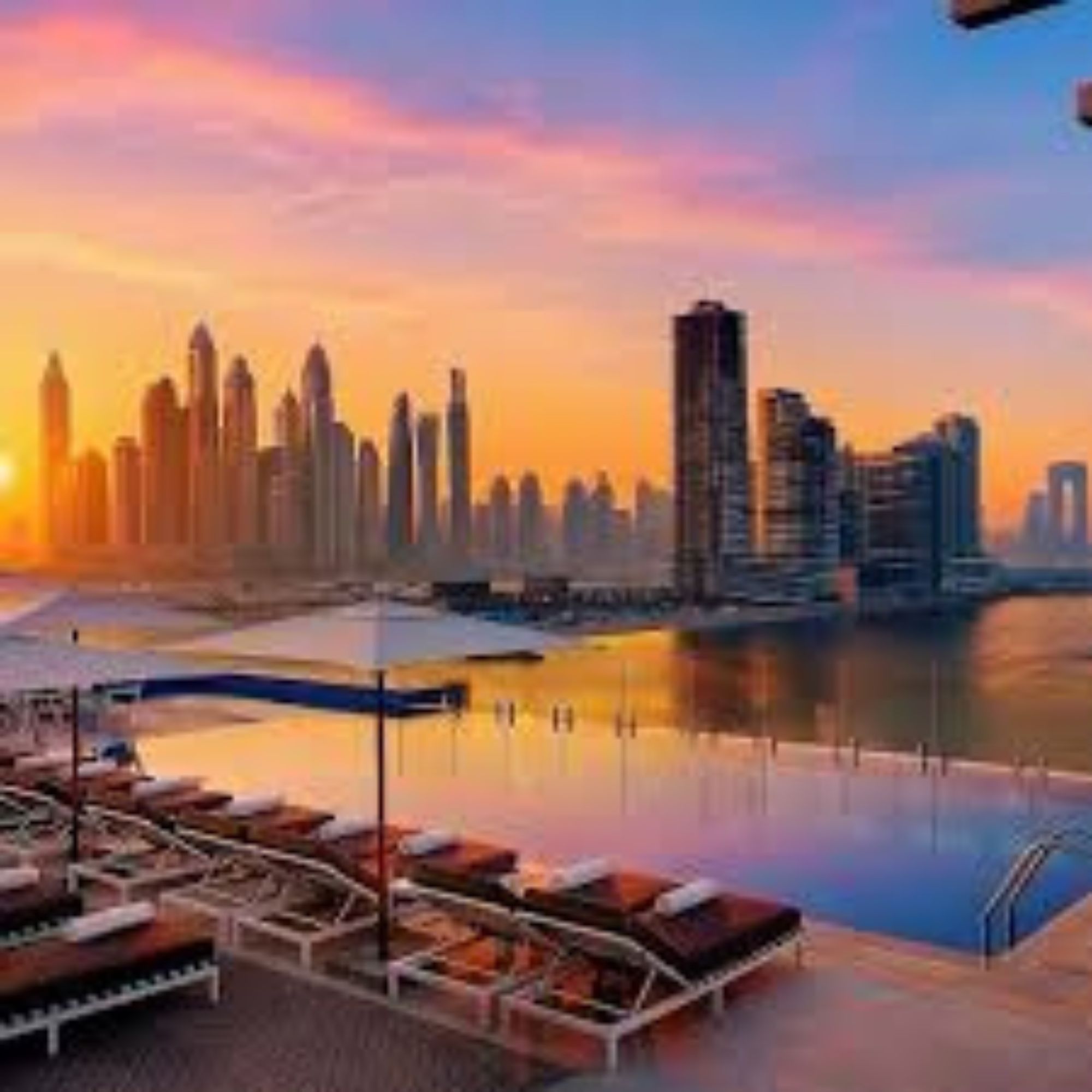
1. Dubai: The Hyper-Connected Global Financial Capital
Dubai stands as the crowning jewel among the top UAE business cities, commanding international prestige across maritime shipping, fintech innovations, and real estate development matrices. The city operates as a hyper-connected economic node, processing data inputs and physical consumer products instantly through the elite combination of Jebel Ali Port and Dubai International Airport (DXB).
For corporate setups requiring intensive cross-border synchronization, Dubai's specialized zones provide unmatched corporate routing structures:
- DIFC (Dubai International Financial Centre): An independent onshore financial cluster operating under an English common law framework, providing isolated corporate directory networks for asset managers and global investment banking fields.
- Dubai Internet City & Media City: High-octane technological sectors dedicated to software development pipelines, digital branding ecosystems, and international content syndication networks.
- JAFZA (Jebel Ali Free Zone): The world’s largest custom-built manufacturing and logistical map grid, allowing seamless transitions from maritime freight directly onto global air delivery assets.
2. Abu Dhabi: Institutional Wealth and Sovereign Stability
Abu Dhabi, the sovereign capital of the UAE, offers an alternative yet equally powerful axis for commercial development. While Dubai thrives on frantic velocity and transactional velocity, Abu Dhabi commands the market through deep institutional funding fields, massive sovereign wealth allocation (ADIA, Mubadala), and systemic enterprise security. It is an elite foundational architecture for companies seeking long-term industrial projects and premium public-private partnerships (PPP).
The macroeconomic strategy of Abu Dhabi relies heavily on technological industrialization via specialized zones like ADGM (Abu Dhabi Global Market) and Masdar City. Masdar City operates as a zero-carbon, green climate testing pool where biotechnology matrices, clean-energy engineering networks, and advanced eco-automation technologies are nurtured with deep state backing. Businesses positioned here tap straight into long-term infrastructure funding pipelines.
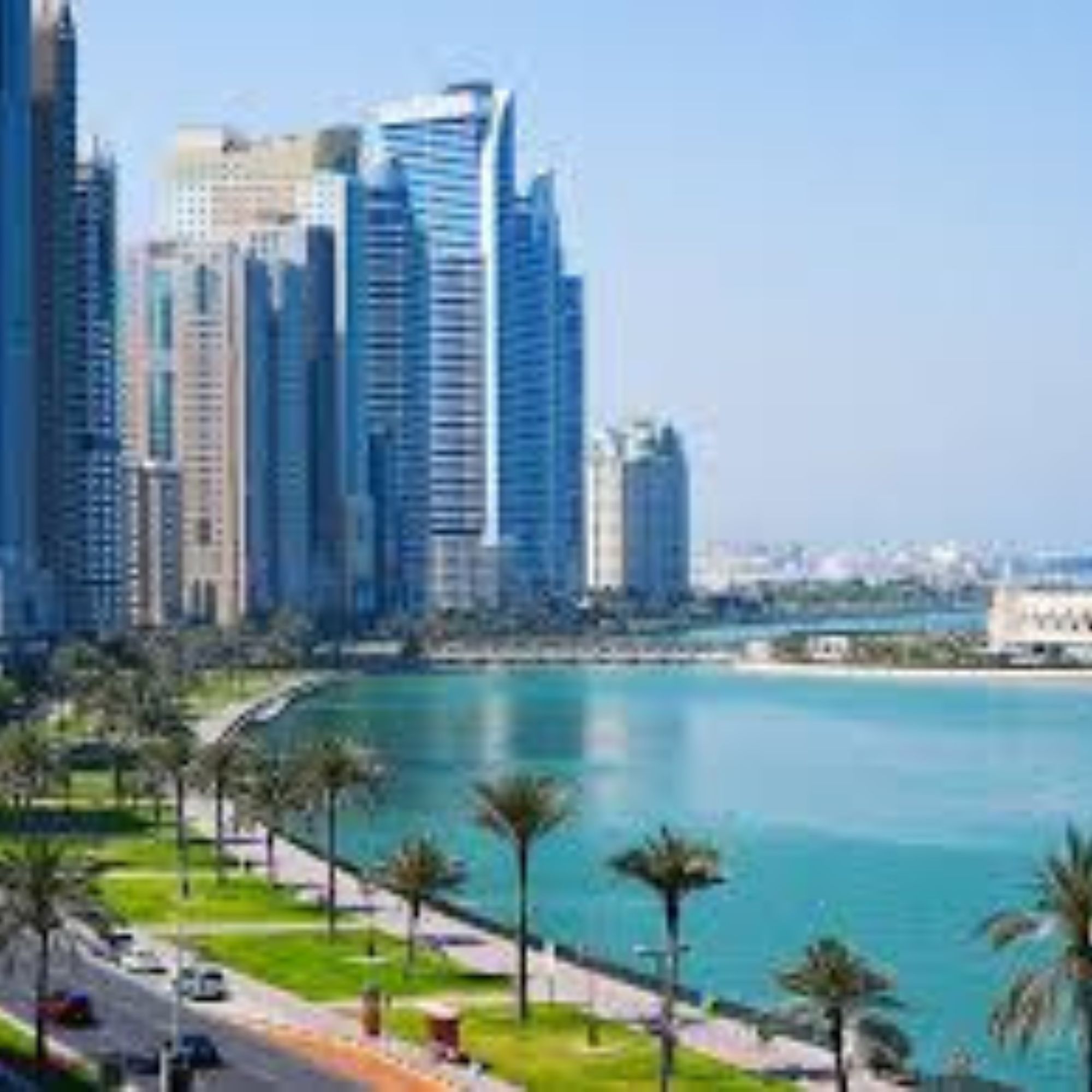
3. Sharjah: The Industrial Engine and SME Incubation Hub
Sharjah occupies a critical strategic alignment within the top UAE business cities framework, generating over forty percent of the country’s core manufacturing data throughput. It provides a balanced, highly scannable market alternative that focuses strictly on production economics, educational infrastructure research, and regional supply chain pipelines.
Through entities like the Sharjah Media City (SHAMS) and SAIF Zone (Sharjah Airport International Free Zone), creators, publishers, and heavy logistics distributors can acquire corporate registrations cleanly without predatory pricing loopholes. Sharjah’s proximity to both the Arabian Gulf and the Gulf of Oman routes allows enterprises to dual-route their physical assets seamlessly across dual-coast pipelines.
4. Ajman: Agile Commercial Frameworks for Modern Entrepreneurs
For modern e-commerce brand builders, standalone digital agencies, and independent micro-networks, Ajman serves as the ultimate high-efficiency incubator. The Ajman Free Zone (AFZ) has systematically removed entry barriers by offering custom micro-package options, automated documentation check loops, and instant payment profile routing keys.
By bypassing the dense corporate pricing structures found in larger emirates, companies operating out of Ajman preserve critical seed capital, allowing them to reinvest aggressively into product development pipelines, search engine visibility campaigns, and independent scaling initiatives.
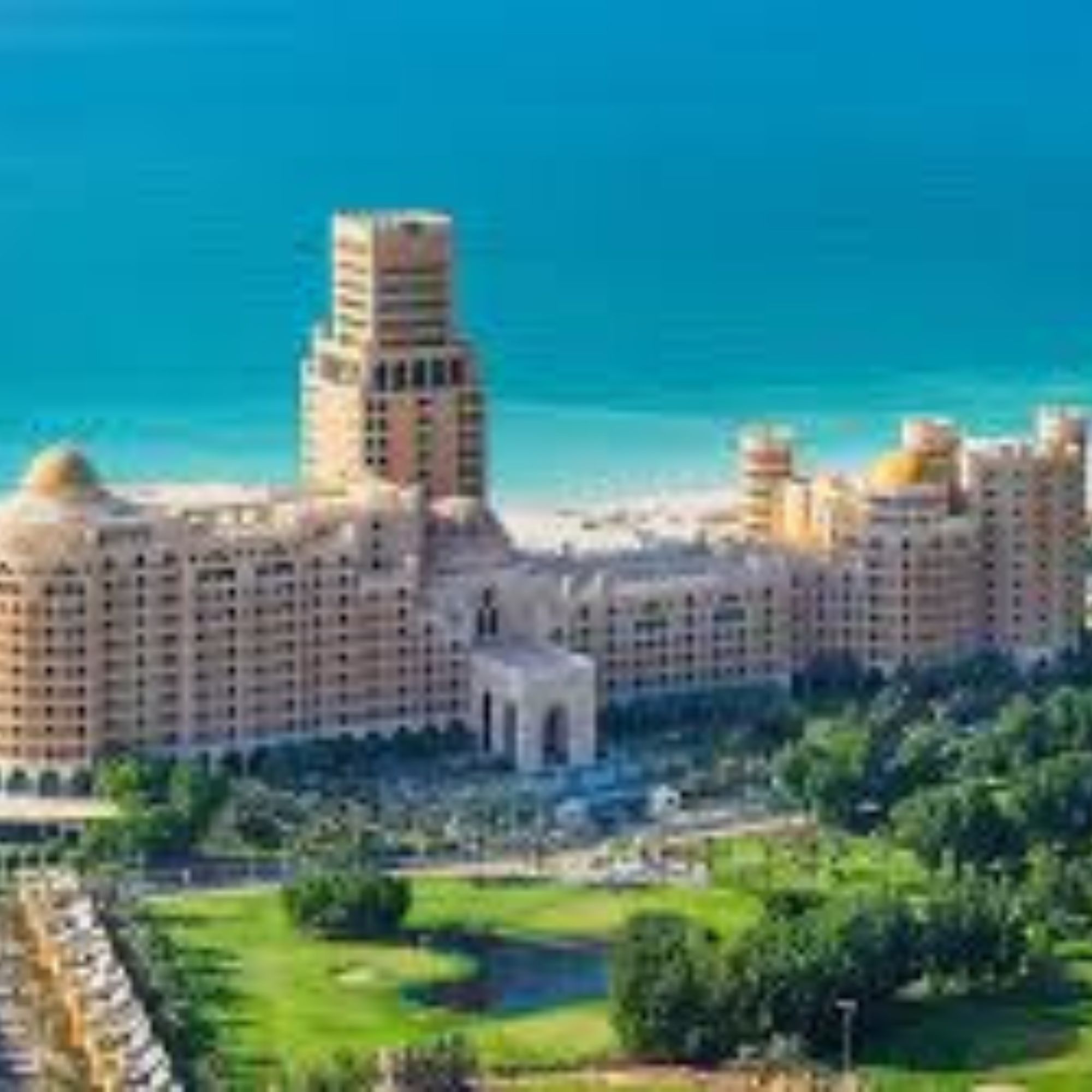
5. Ras Al Khaimah: The Industrial Heavyweight and Tourism Pioneer
Ras Al Khaimah (RAK) has carved out a unique position among the top UAE business cities by becoming an industrial manufacturing heavyweight. RAK is world-renowned for its high-grade ceramics production, heavy fabrication hubs, and structural engineering materials networks. The RAKEZ (Ras Al Khaimah Economic Zone) manages a diverse array of over fifteen thousand company nodes across multiple custom-built zones.
Simultaneously, the city's aggressive expansion into luxury real estate and resort infrastructure projects (such as the Al Marjan Island developments) has triggered an absolute gold rush for hospitality providers, lifestyle operators, and entertainment network agencies globally.
6. Fujairah: The Strategic Maritime Port Gateway
Fujairah holds a completely unique geopolitical monopoly as the only emirate situated along the Indian Ocean coast. This architectural border placement allows global shipping fleets, bulk petroleum distributors, and maritime logistics companies to completely bypass the Strait of Hormuz, cutting insurance cost coefficients and operational transit timelines significantly.
The Fujairah Free Zone and Creative City Fujairah complement this physical routing network by providing media professionals, logistical consultants, and maritime operators with streamlined corporate directory registry paths, zero-tax security zones, and multi-currency transaction structures.
Cross-Comparison Engine: Top UAE Business Cities
To map out your operational structures safely, utilize this side-by-side diagnostic table layout configuration:
| City Node | Primary Core Focus | Ideal Enterprise Scale | Strategic Pipeline Link |
|---|---|---|---|
| Dubai | Fintech, E-Commerce, Tech SaaS | Conglomerates & Unicorns | Global Aviation / Jebel Ali Hub |
| Abu Dhabi | Energy, Green Tech, Institutional | Enterprise Multi-National | Sovereign Wealth Funds / PPP |
| Sharjah | Light Industrial, Publishing, Education | Established SMEs & Manufacturing | Dual-Coast Multi-Lines |
| Ajman | Freelance, E-Commerce Tiers, Startups | Solopreneurs & Digital Nomads | Low-Overhead Incubation Matrix |
| Ras Al Khaimah | Heavy Ceramics, Hospitality, Mining | Industrial Tiers & Resorts | RAKEZ Global Manufacturing Zones |
| Fujairah | Maritime Shipping, Oil Bunkering, Media | Logistics Providers & Content Tiers | Direct Indian Ocean Access Route |
Strategic Synthesis for Corporate Deployments
Selecting your operational command center among the top UAE business cities requires a deep diagnostic understanding of your company's core asset flows. If your corporate infrastructure depends on massive scaling, high-frequency branding, and intensive fintech payment routing, Dubai represents the optimal market gate. If you require deep regulatory isolation fields, massive public procurement tenders, and energy sector vectors, Abu Dhabi is your default system root.
By leveraging our unified UAE directory, you can locate, isolate, and extract exact corporate profiles across these geographic coordinates effortlessly. Take full command of your strategic placement parameters today and transition your corporate operations onto the high-octane economic engines of the United Arab Emirates.